
Sleep Deprivation: Why Daytime Fatigue Is a Sign Your Sleep System Is Under Strain
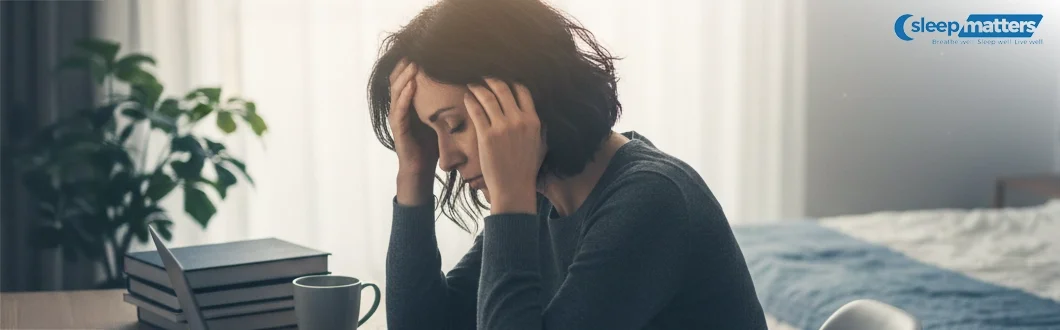
Daytime fatigue is often a sign of disrupted sleep. Sleep Matters helps identify whether lifestyle or sleep apnoea is behind persistent tiredness.
Many people describe daytime fatigue as “just being tired,” but persistent exhaustion is often a sign that the brain and body are not getting the restorative sleep they need. When sleep becomes fragmented or shallow, the effects show up quickly: slower thinking, irritability, reduced stamina and a sense that everyday tasks require more effort than they should.
At Sleep Matters, we see this pattern often. People try to improve their routines, cut back on screens or go to bed earlier, yet mornings still feel heavy. Understanding what sleep deprivation actually does to the body can help you recognise when fatigue is more than lifestyle and when it may be linked to an underlying sleep disorder such as sleep apnoea.
How Sleep Loss Affects the Brain During the Day
The brain relies on consolidated sleep to maintain attention, memory and emotional regulation. When sleep is disrupted, even slightly, the brain compensates by slowing down non‑essential processes.
Cognitive Slowing
People often notice:
difficulty concentrating
slower reaction times
trouble recalling information
drifting attention during conversations
These changes are not a sign of poor motivation. They are a physiological response to insufficient restorative sleep.
Microsleeps
Microsleeps are brief, involuntary lapses into sleep that occur when the brain is severely fatigued. They last only a few seconds, but they can happen during driving, meetings or conversations. Many patients describe “missing” parts of a commute or struggling to remember the last few minutes of a task.
Microsleeps are a strong indicator that the brain is not receiving enough deep or REM sleep overnight.
Emotional Reactivity
REM sleep plays a key role in processing emotions. When REM sleep is reduced or fragmented, people often experience:
irritability
reduced patience
heightened stress responses
difficulty interpreting social cues
These changes can affect work, relationships and overall wellbeing.
The Physical Effects of Sleep Deprivation
Sleep is essential for cardiovascular stability, hormone regulation and immune function. When sleep is consistently disrupted, the body shifts into a state of physiological strain.
Reduced Energy and Stamina
Short or fragmented sleep reduces physical endurance. Everyday tasks feel harder, exercise recovery slows and motivation drops. Many people describe feeling “flat” or “drained” even after a full night in bed.
Cardiovascular Strain
Poor sleep is associated with elevated blood pressure, increased sympathetic nervous system activity and reduced heart rate variability. Over time, this can contribute to cardiovascular risk, especially when combined with other factors such as stress or sleep apnoea.
Hormonal Disruption
Insufficient sleep increases cortisol, the body’s primary stress hormone. Elevated cortisol can affect:
appetite regulation
weight stability
digestion
immune function
This is why chronic tiredness often appears alongside weight changes, digestive discomfort or frequent illness.
Is It Lifestyle or Something More?
Not all fatigue is caused by sleep apnoea, but many people with sleep apnoea initially assume they are simply “not sleeping well.” The distinction usually becomes clearer when you look at patterns.
Lifestyle‑related tiredness often improves when:
bedtime is consistent
screens are reduced
caffeine is limited
sleep time increases
Sleep apnoea‑related tiredness often persists even when routines improve.
Signs that fatigue may be linked to sleep apnoea include:
loud snoring
choking or gasping during sleep
morning headaches
dry mouth
waking unrefreshed despite adequate sleep time
daytime sleepiness in quiet situations
difficulty concentrating even after long nights in bed
If these symptoms sound familiar, a home sleep study can help clarify what is happening overnight.
Treatment Options: Beyond CPAP
CPAP is highly effective for obstructive sleep apnoea, but not everyone finds it comfortable or practical. Many people prefer a quieter, simpler option that fits easily into daily life.
Oral Appliance Therapy
A custom mandibular advancement splint gently positions the lower jaw forward during sleep. This helps prevent airway collapse, reduces snoring and supports more stable breathing throughout the night.
Benefits include:
comfortable, non‑invasive design
no mask or pressurised air
easy travel and nightly use
improved sleep continuity
better daytime energy
Oral appliance therapy is provided by dentists trained in dental sleep medicine who assess jaw position, airway shape and overall oral health to ensure the device is effective and safe.
Why Treating Sleep Deprivation Matters
Chronic tiredness is not a personality trait or a normal part of modern life. It is a sign that the sleep system is under strain. When sleep becomes more stable and breathing remains open throughout the night, people often notice:
clearer thinking
steadier mood
improved stamina
easier mornings
better overall wellbeing
Addressing sleep deprivation can transform daily life, especially when the underlying cause is sleep apnoea.
A Path Back to Restorative Sleep
If you are consistently waking tired, struggling to focus or feeling irritable during the day, it may be time to look deeper. With the right assessment and a treatment plan tailored to your needs, restorative sleep is achievable.
Sleep Matters provides evidence‑based care for snoring, sleep apnoea and daytime fatigue. Whether you need a sleep study, oral appliance therapy or guidance on improving sleep routines, we can help you rebuild the foundation of healthy sleep and restore your daytime energy.
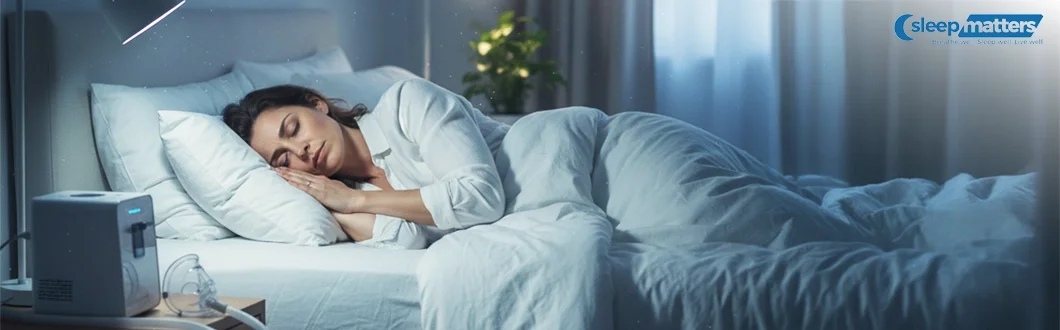
Restful sleep is possible with the right treatment. Sleep Matters helps patients find comfortable solutions for snoring and sleep apnoea.