
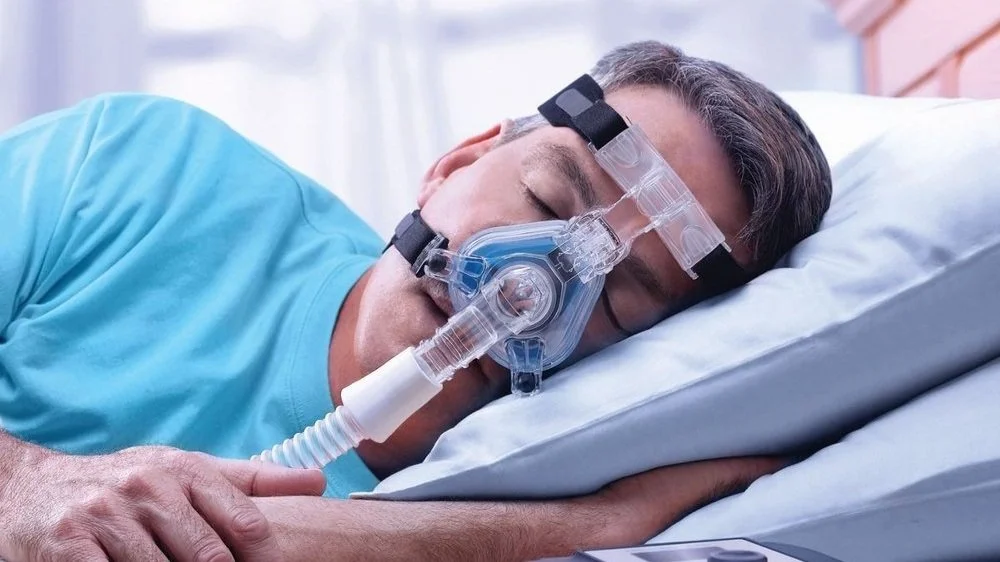
CPAP alternatives for sleep apnoea in Wellington
Many people struggle with CPAP, but that doesn’t mean treatment has to stop.
The Sleep Matters Clinic offers safe, clinically supported alternatives for patients with sleep apnoea who cannot tolerate CPAP.
What are CPAP alternatives?
CPAP alternatives are clinically supported treatments for obstructive sleep apnoea used when CPAP is not tolerated, not suitable, or not preferred.
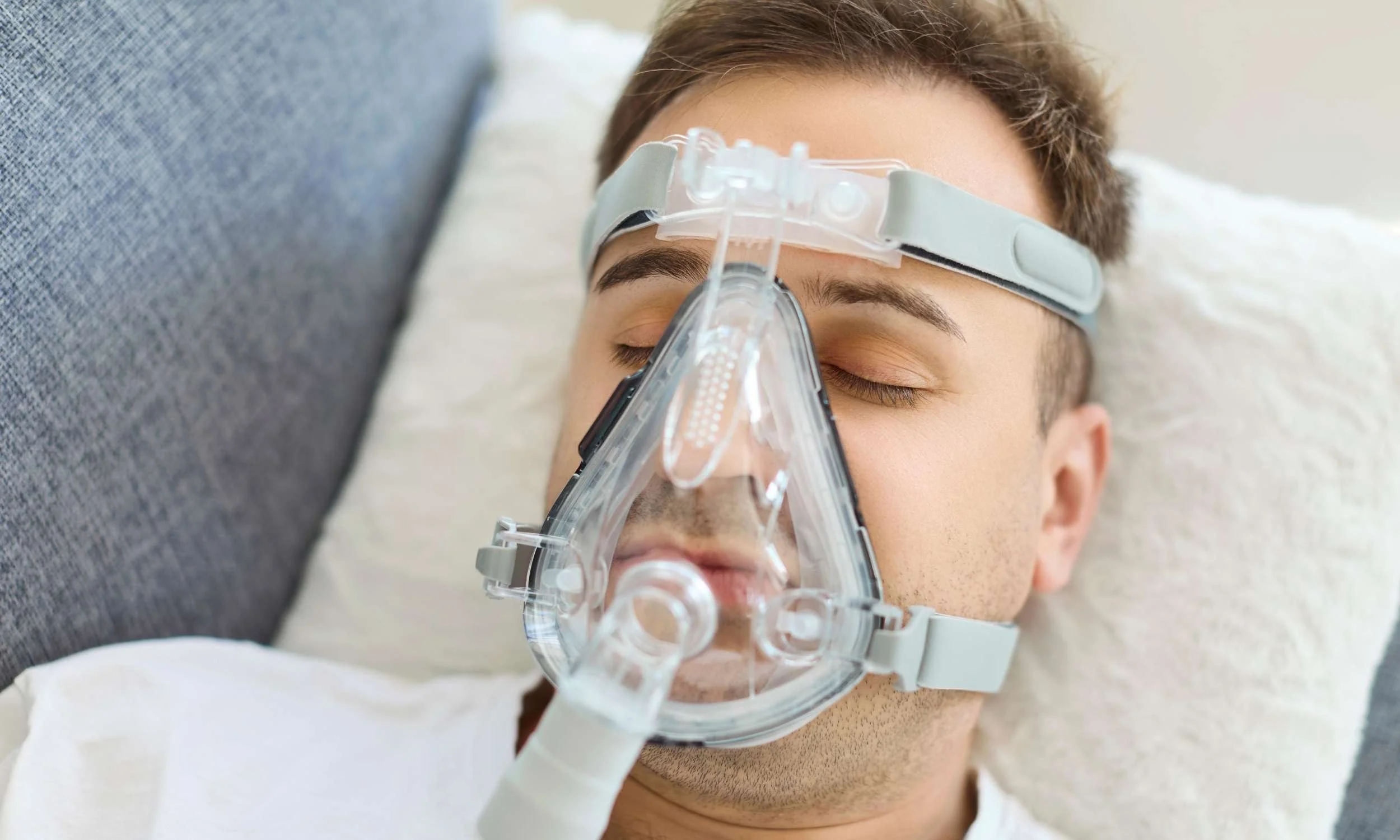
Why some people struggle with CPAP
Mask discomfort
Some patients struggle with mask fit, pressure, or skin irritation.
Noise or sleep disruption
Even quiet machines can disturb light sleepers or partners.
Air pressure intolerance
High pressures can feel uncomfortable or cause dryness and bloating.
Lifestyle or travel limitations
CPAP can be difficult to use during travel, camping, or shift work.
CPAP alternatives
These options are widely used in sleep medicine and are appropriate for many people who cannot tolerate CPAP.
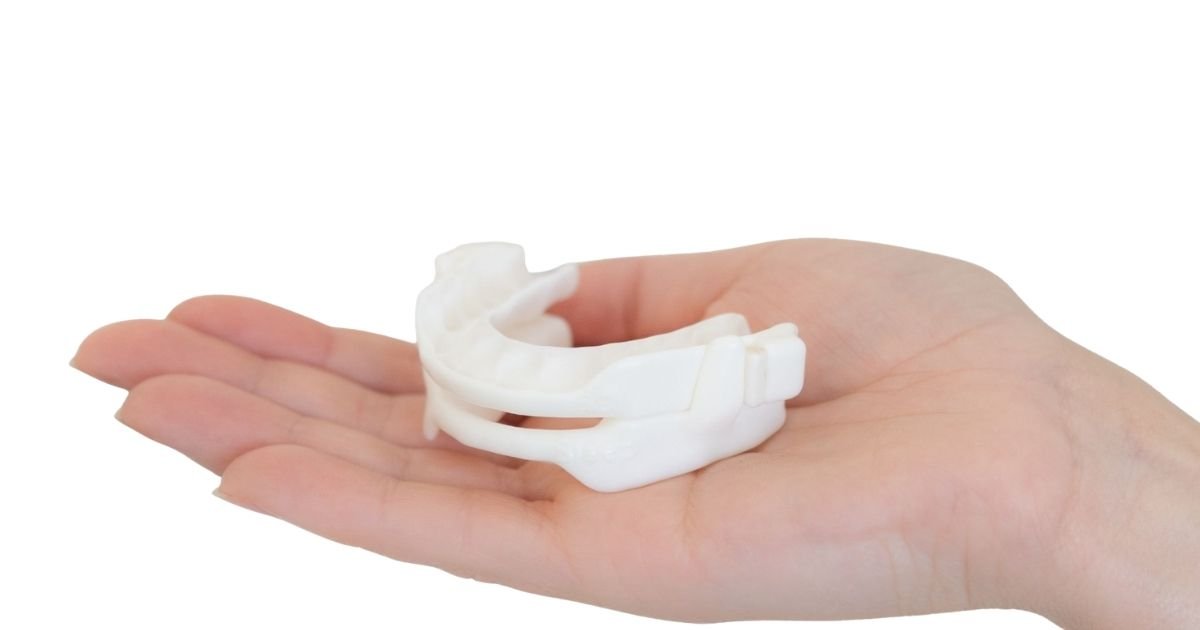
Oral appliance therapy (Mandibular Advancement Splints)
Oral appliance therapy is the most effective CPAP alternative for adults with mild to moderate obstructive sleep apnoea, and for patients with severe OSA who cannot tolerate CPAP.
A custom mandibular advancement splint:
holds the lower jaw slightly forward
prevents airway collapse
reduces snoring
reduces apnoeas and hypopnoeas (breathing pauses)
is quiet, portable, and easy to use
Positional therapy
Some people experience apnoea mainly when sleeping on their back. Positional therapy uses wearable devices or vibration sensors to encourage side‑sleeping.
It can be used:
alone for positional OSA (although can be less effective than combining with other therapies)
alongside oral appliance therapy
to reduce CPAP pressure requirements
Weight‑related interventions
Although not considered a cure for sleep apnoea, weight loss can reduce severity in some patients.
It is most effective when combined with:
oral appliance therapy
positional therapy
CPAP (if tolerated)
Nasal breathing optimisation
Improving nasal airflow is not a stand-alone treatment for sleep apnoea, but it can make treatment more effective.
This may include:
nasal sprays
saline rinses
nasal dilators
allergy management
ENT review for obstruction
Lifestyle and medical support
Supportive measures can reduce symptoms and improve sleep quality - but these are not considered primary treatment options for sleep apnoea. Some helpful tips are:
reducing alcohol before bed
avoiding sedatives
improving sleep timing
managing reflux
addressing nasal congestion
What is not considered a CPAP alternative?
Surgery
Surgery is not a first‑line treatment for adult sleep apnoea. It is only considered when anatomy is severely obstructive or when other treatments are not suitable.
The Sleep Matters Clinic can refer to trusted ENT specialists if needed.
Over‑the‑counter snoring devices
These are not clinically effective for sleep apnoea and should not replace medical treatment by a trained expert.
CPAP vs CPAP alternatives - what’s the difference
CPAP remains the gold standard for severe sleep apnoea. However, treatment only works if it is used consistently.
For patients who cannot tolerate CPAP, oral appliance therapy offer medically proven, comfortable alternatives that improve symptoms and reduce health risks.
Our CPAP alternative care process
Step 1: Initial consultation
We review your symptoms, sleep history, and any previous sleep studies to see whether CPAP alternatives may be appropriate.
Step 2: At‑home sleep study
If you haven’t had a sleep study, we arrange a simple overnight test interpreted by a sleep physician.
Step 3: Treatment selection
We help you choose the most suitable treatment option such as oral appliance therapy.
Step 4: Follow‑up and long‑term care
We monitor your progress, adjust treatment, and arrange repeat studies when needed.
CPAP alternative FAQs
-
CPAP is the most effective treatment for severe sleep apnoea, but oral appliance therapy can work well for people who cannot tolerate CPAP.
-
Yes - treatment decisions should be based on a sleep study interpreted by a sleep physician. The Sleep Matters Clinic can organise this.
-
Home testing uses a portable device worn on the wrist and finger overnight to record key breathing-related signals. Results are reviewed and reported by a specialist sleep physician for diagnosis.
-
Yes - many people successfully transition to an oral appliance when CPAP isn’t suitable.
-
Most people find it easy to wear and prefer it to CPAP.
Book your CPAP alternative assessment
If CPAP hasn’t worked for you, an initial consultation is the easiest way to explore comfortable, clinically supported alternatives.