

Treatment to stop snoring in Wellington
Snoring is more than a noise - it can affect your sleep, energy, mood and relationships.
Snoring is incredibly common, and in many cases, it’s a sign that your airway is working harder than it should during sleep. The good news? It’s treatable. And the solutions are often much simpler than people realise.
At the Sleep Matters Clinic, we provide evidence‑based snoring treatment using custom oral appliances (also known as Mandibular Advancement Splints) designed to open your airway and reduce snoring comfortably and effectively.
What causes snoring?
Snoring is the sound created when airflow is partially blocked as it moves past relaxed tissues in the back of the throat during sleep. It can lead to disturbed sleep for you and your partner, and may worsen over time if left untreated.
Why is snoring a problem?
Snoring is extremely common, but it can be embarrassing, disruptive and frustrating for both you and your partner.
Many couples end up:
Sleeping in separate bedrooms
Booking separate rooms when travelling
Feeling irritable or short‑tempered due to disturbed sleep
Snoring doesn’t just affect the person who snores - it affects the whole household.
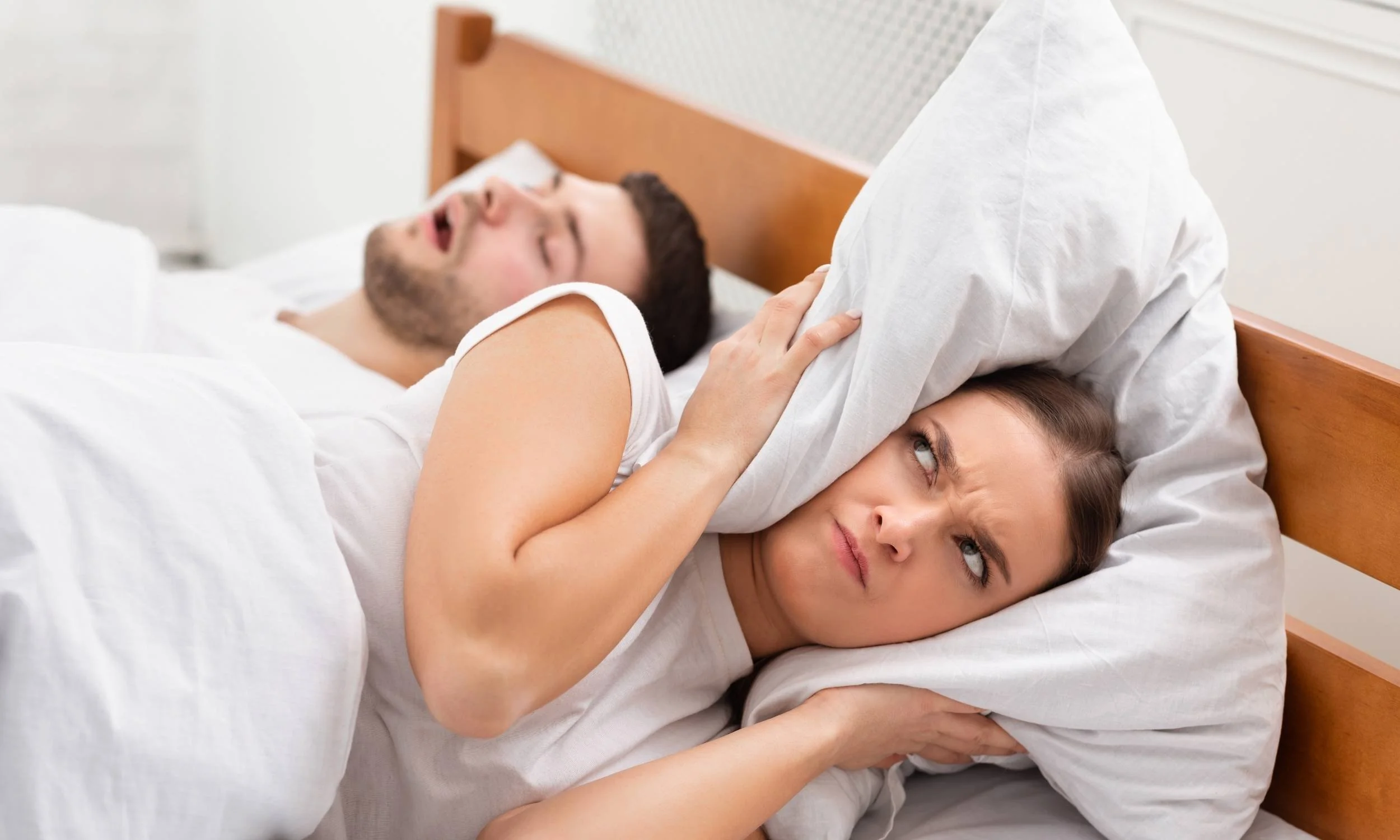
Why snoring happens
Snoring occurs when the airway becomes partially narrowed during sleep. As air squeezes through the smaller space, the soft tissues at the back of the throat vibrate, creating the snoring sound.
Common triggers
Snoring is often linked with:
Relaxed airway muscles
Sleeping on your back
Nasal congestion
Alcohol in the evening
Weight gain
Age‑related airway changes
When snoring becomes a health concern
Snoring can be linked with:
Daytime tiredness
Irritability
Poor focus
Reduced libido
Snoring often worsens over time if left untreated. In some cases, it may be a sign of obstructive sleep apnoea.
Why snoring gets worse over time
Airway changes
As we age, the muscles around the airway soften, making snoring more likely. This natural loss of muscle tone means the airway collapses more easily during sleep.
When snoring may indicate sleep apnoea
If snoring is loud, nightly, or accompanied by gasping or pauses, we may recommend a sleep study. This helps rule out obstructive sleep apnoea while keeping the focus on snoring treatment.
Weight, age & lifestyle factors
Even small changes in weight or fitness can increase airway narrowing. Extra tissue around the neck or reduced muscle tone can make the airway more prone to vibration.
Sleeping position and airway collapse
Snoring is often worse when sleeping on your back, as gravity pulls the tongue and soft tissues backward, narrowing the airway further. Many people notice quieter sleep when side‑sleeping.

How snoring can be stopped
Oral appliance therapy (mandibular advancement splints)
Experts agree that oral appliance therapy is one of the most effective treatments for primary snoring.
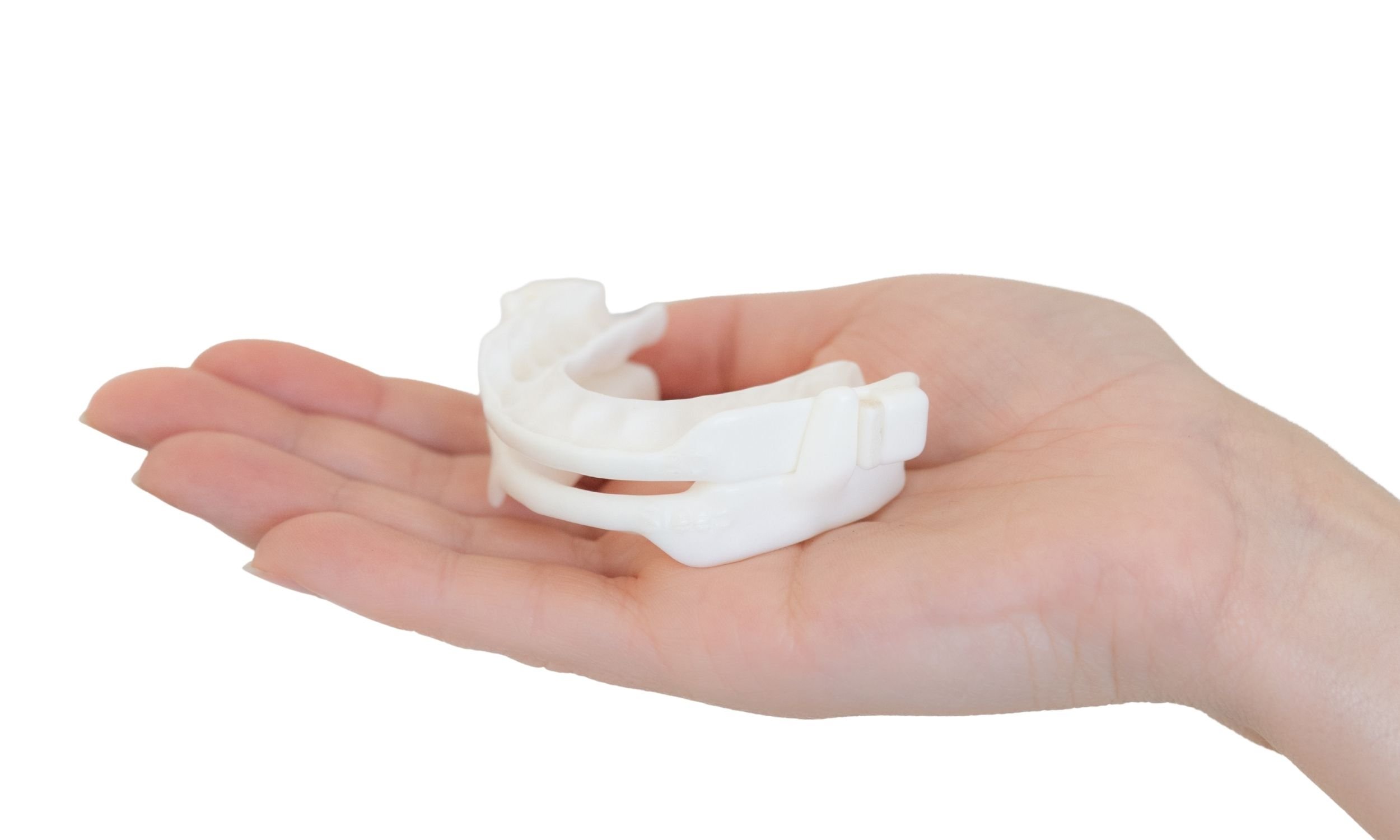
A custom oral appliance:
Gently moves the lower jaw forward
Prevents the tongue and soft tissues collapsing into the airway
Reduces or eliminates snoring
Is comfortable, discreet and silent
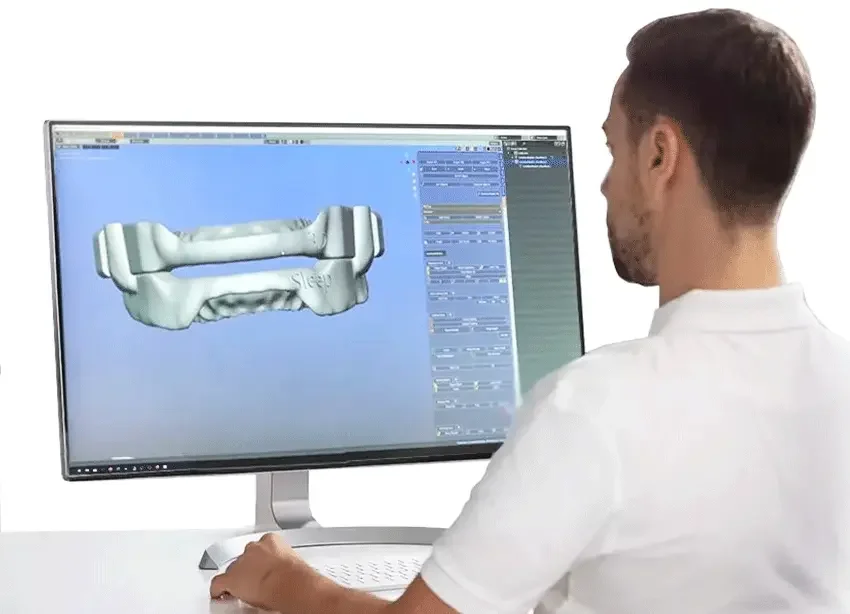
Precision digital scanning
We use 3D digital scanning to create precise, comfortable appliances without messy impressions. 3D printed models allow for a better fit, improved comfort, and faster communication with specialist laboratories.
Custom fitting and adjustment
Your appliance is fitted and adjusted to ensure it works effectively and feels comfortable. Small, personalised adjustments help optimise snoring reduction and long‑term comfort.
Why choose Sleep Matters Clinic in Wellington
Dental Sleep Medicine expertise
Dr Jessica Harris specialises in snoring and airway‑related sleep issues, using evidence‑based Dental Sleep Medicine protocols.
Trusted by GPs, dentists and sleep physicians
Patients are referred to us from across the Wellington region for snoring treatment.
Serving Wellington, Lower Hutt, Upper Hutt, Porirua and Kāpiti
Convenient central Wellington location, close to:
Lambton Quay
Te Aro
Botanical Gardens
Wellington University
Easy access from Lower Hutt, Upper Hutt, Porirua and the Kāpiti Coast
Your snoring treatment journey
Step 1: Initial snoring screening
A thorough phone, online or in‑clinic consultation to understand your symptoms and goals.
Step 2: Clinical assessment
We examine your airway, jaw and bite to confirm whether an oral appliance is suitable.
Step 3: Custom oral appliance fitting
Your appliance is made from digital scans and fitted for comfort and effectiveness.
Step 4: Follow-up and long-term care
We adjust the appliance as needed and provide ongoing follow‑up to ensure it remains effective, comfortable, and optimally fitted.
Snoring Frequently Asked Questions
-
Snoring is caused by vibration of soft tissues in a partially narrowed airway during sleep.
-
Yes - airway muscles naturally soften with age, and weight changes can increase snoring.
-
Snoring itself isn’t dangerous, but it can indicate increased airway resistance. If we suspect sleep apnoea, we’ll guide you to appropriate testing.
-
Yes. Oral appliances are one of the most effective treatments for snoring.
-
Most patients find it easy to wear after a short adjustment period.
-
No referral needed - you can book directly.
Book your snoring assessment
Snoring rarely improves on its own - but treatment is simple, comfortable and effective. Better sleep changes everything - your energy, your mood, your focus, and your relationships.