
Oral Appliance Therapy for Primary Snoring: Why Mandibular Advancement Splints Are the Expert‑Recommended First Line Treatment
Primary snoring affects far more than the person who makes the noise. It disturbs partners, fragments sleep and often leads to long term fatigue and frustration. Many people try to manage it on their own, but the most effective and evidence based treatment is one that directly targets the airway.
Across Australia, New Zealand and North America, sleep medicine experts agree that oral appliance therapy, (also known as mandibular advancement splints (MAS), is the preferred first line treatment for adults with primary snoring. This recommendation is grounded in strong clinical evidence and formal guidelines from the Australasian Sleep Association (ASA), the American Academy of Dental Sleep Medicine (AADSM) and the American Board of Dental Sleep Medicine (ABDSM).
At Sleep Matters in Wellington, we follow these guidelines closely. Our focus is on providing treatment that is safe, effective and tailored to each patient.
Why Oral Appliance Therapy Is Recommended as First Line Treatment
The ASA’s position statement identifies mandibular advancement devices as the first line treatment for dentate adults with primary snoring. This recommendation is based on systematic review and expert consensus across sleep physicians, dentists and researchers.
The AADSM and ABDSM also recognise oral appliance therapy as an effective, evidence based treatment for snoring and sleep disordered breathing. Their standards documents outline clear protocols for assessment, appliance design, titration and follow up.
Across these organisations, the conclusion is consistent. MAS is effective, safe and an appropriate frontline option in the treatment pathway.
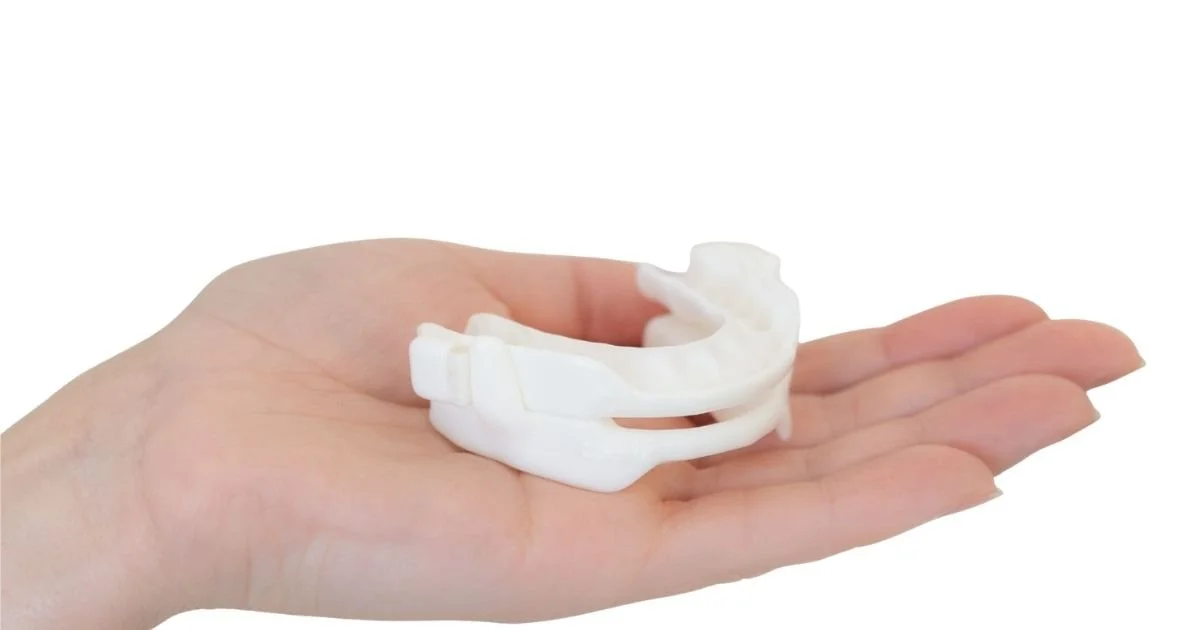
Thin, comfortable and considered the best treatment for snoring.
How Mandibular Advancement Splints Reduce Snoring
Snoring occurs when airflow becomes turbulent and soft tissues in the upper airway vibrate during sleep. A mandibular advancement splint gently positions the lower jaw forward. This forward movement:
increases the space in the upper airway
reduces soft tissue collapse
stabilises airflow
decreases vibration of the soft palate and surrounding tissues
These mechanisms are well established in dental sleep medicine research. MAS works by improving airway stability in a simple and predictable way, without relying on behavioural change or complex equipment.
Evidence Based Outcomes for Snoring Reduction
The ASA’s guideline review shows that mandibular advancement devices consistently improve:
snoring loudness
snoring frequency
sleep quality for the bed partner
sleep quality for the patient
These improvements are supported by objective acoustic measurements and validated snoring scales. The AADSM’s clinical standards reinforce that oral appliance therapy is effective when fitted, adjusted and monitored by trained dental sleep clinicians.
Most patients notice quieter nights within the first few weeks.
MAS Compared With Other Snoring Treatments
Lifestyle changes
Weight loss, alcohol reduction and positional therapy can help but are rarely enough on their own. They are usually recommended as supportive measures.
CPAP
CPAP is excellent for obstructive sleep apnoea, but for primary snoring it is usually unnecessary and often difficult to tolerate. The ASA notes that CPAP may be used for primary snoring only in people who are already committed to using it.
Surgery
Surgery can help in selected cases, but it involves higher risk, variable outcomes and longer recovery. It is generally considered only after conservative options have been tried.
Mandibular Advancement Splints
MAS stands out because it is:
non invasive
comfortable and discreet
portable and silent
supported by strong clinical evidence
recommended as first line therapy by the ASA
It offers the best balance of effectiveness, safety and day to day practicality.
Why Proper Assessment and Customisation Matter
The ASA recommends that MAS be provided only after assessment by both a sleep physician and a dentist trained in dental sleep medicine. This is important because:
some people who believe they only snore actually have undiagnosed sleep apnoea
custom made devices outperform over the counter splints in comfort and durability
trained dental sleep clinicians are skilled in titration, side effect management and long term follow up
The AADSM’s standards outline detailed protocols for identifying the therapeutic jaw position and monitoring treatment over time. This structured approach is essential for predictable results.
Why The Sleep Matters Clinic Is a Trusted Provider of Oral Appliance Therapy in Wellington
Sleep Matters follows the exact model recommended by the ASA and AADSM. This includes:
dentist led care with advanced training in dental sleep medicine
collaboration with sleep physicians for accurate diagnosis
digital scanning for precise, comfortable custom appliances
evidence based titration protocols
ongoing follow up to maintain long term effectiveness
This approach provides a smoother treatment journey, higher success rates and better comfort.
Patients often tell us that oral appliance therapy is the first solution that has genuinely improved their nights and restored peace at home.

Dr Jessica Harris, Wellington dentist specialising in Oral Appliance Therapy (mandibular advancement splints) and dental sleep care
The Takeaway for People Seeking Snoring Treatment in New Zealand
When the evidence, guidelines and patient outcomes are considered together, the conclusion is clear. Mandibular advancement splints are the most effective and practical first line treatment for primary snoring. They address the underlying cause of snoring, they are supported by the strongest clinical guidelines in Australasia and they offer a comfortable, non invasive solution that fits easily into everyday life.
For people in Wellington and across New Zealand who are looking for a reliable, expert led approach to snoring treatment, oral appliance therapy delivered through a clinic that follows ASA and AADSM standards provides the most predictable path to quieter nights and better sleep.