
Sleep Deprivation Side Effects: Why Daytime Fatigue Is More Than Just "Being Tired"
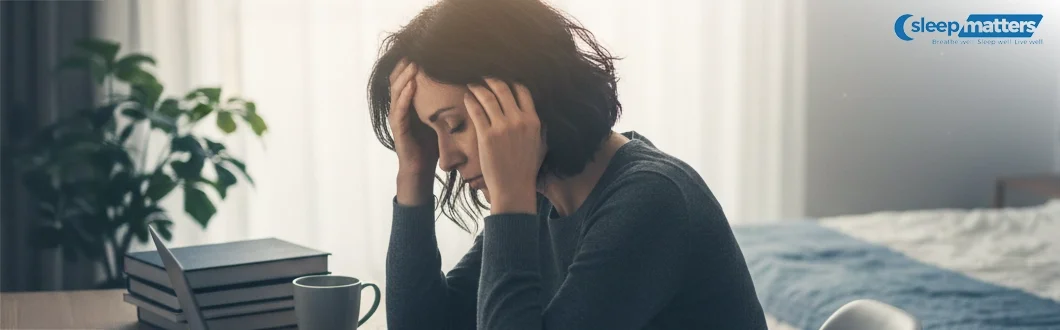
Waking up feeling unrefreshed has become an all-too-familiar struggle for many. You drag yourself out of bed, reach for coffee after coffee, and still feel unable to focus. Over time, these sleep deprivation side effects can begin to disrupt daily life, affecting mood, energy, and productivity.
Daily life can feel heavier when fatigue takes over. Cognitive sharpness diminishes, emotional responses intensify, and physical health can suffer without proper rest. This blog explores the most common side effects of sleep deprivation, what might be causing them, and the solutions available to restore energy and clarity.
The Daytime Impact: How Sleep Loss Affects Your Brain
Lack of sleep or sleep deprivation affects both your mood and your thinking. Slower thinking, fuzzy memory, and slower reaction times are common side effects of sleep deprivation.
Brain Fog And Microsleeps (Sleep Deprivation Side Effects)
Most people have felt brain fog or sleep deprivation. Words get stuck on your tongue, reading becomes confusing, and your mind drifts during conversations. Losing sleep slows reaction time, judgment, and coordination, just like being over the drink-drive limit.
Microsleeps increase the danger. These tiny lapses of sleep deprivation last only a few seconds and happen without warning. On a motorway during a summer road trip, a three-second microsleep can cover the length of a football pitch, making it critical to stop and rest if you blink hard, miss exits, or feel the road beneath you moving.
Quick signs of microsleep risk:
Heavy eyelids and frequent yawns
A head nod or jolting awake at a red light
Drifting lanes or missing road signs
No clear memory of the last few miles
Emotional Instability (The "Short Fuse")
Sleep deprivation problems can make moods swing, and patience run out. REM sleep, or Rapid Eye Movement sleep, helps the brain sort feelings and store memories. Without enough REM sleep, the brain struggles to regulate emotions. Weak emotional control can show up in many ways and make everyday situations much more complicated to handle, such as:
You may snap at minor problems or overreact to small issues.
Daily tasks can feel harder, and stress can build quickly.
Conversations can become frustrating, and you may misread others' meaning.
Emotional changes can affect work, family, and friendships. Missing sleep often increases irritability and anxiety. Fixing sleep deprivation habits or treating issues like sleep apnoea can help balance emotions and improve wellbeing.
The Physical Toll: It's Not Just In Your Head
Not getting enough rest can affect both the body and mind. Sleep deprivation side effects include reduced daily energy, impaired heart function, and increased stress levels. Below are the key ways poor sleep can impact physical health.
Reduced Energy
Short sleep drains energy and makes even simple daily tasks feel impossible. People struggle to focus, finish chores, or stay alert at work, and motivation collapses quickly. Fatigue can crush productivity, disrupt routines, and leave a constant sense of exhaustion.
Physical performance suffers as well. Exercise feels tougher, recovery slows, and stamina drops sharply. Constant tiredness forces the body to work harder just to complete ordinary activities, leaving little energy for anything extra.
Heart Risks
Poor sleep forces the heart to pump harder, raising blood pressure and triggering irregular beats. The cardiovascular system strains under repeated fatigue, increasing vulnerability to serious conditions. Severe sleep deprivation side effects can include long-term heart problems if rest continues to be neglected.
Even a few nights of minimal rest push the heart to its limits. Blood pressure climbs, heart rate spikes, and overall endurance weakens. Ignoring proper sleep can put the cardiovascular system in overdrive, increasing the risk of complications.
Higher Stress Hormones
Insufficient sleep spikes cortisol, the body's primary stress hormone, which throws off natural sleep cycles. Elevated cortisol intensifies fatigue, disrupts focus, and makes it harder to recover from stress. Hormone imbalance can also damage digestion, weight control, and immune function.
Stress forces the body to stay on high alert, increasing tension and wear on organs. Poor sleep weakens the immune system, leaving the body vulnerable to infection and illness. Prioritising rest strengthens energy, protects the heart, and supports overall health.
Is It Just "Bad Habits" Or Is It Sleep Apnoea?
You might wonder if tiredness comes from late nights, screen use, or a busy schedule, or if something more profound is causing it. Fatigue often follows clear patterns. Staying up late on work nights and catching up on weekends usually points to a lifestyle. Improving routines can reduce tiredness and the side effects of sleep deprivation.
If you protect sleep time but mornings still feel exhausting, the cause may be physiological. Signs of sleep apnoea include loud snoring, choking or gasping at night, morning headaches, dry mouth, and a partner noticing pauses in breathing. Daytime clues matter too, like constant fatigue, nodding off in meetings, and trouble focusing even after enough hours in bed.
Consistent Wake-Up Times And Sleep Quality
A consistent wake-up time helps set the body clock. Rising at the same time every day, including weekends, allows sleep pressure to build naturally and makes it easier to fall asleep.
Consistency alone cannot unblock an airway. Even with steady wake times and enough sleep, fatigue can persist. Airway collapse fragments deep sleep and leaves you feeling drained, no matter how good the routines look.
Sleep Apnoea Solutions: A CPAP Alternative Approach
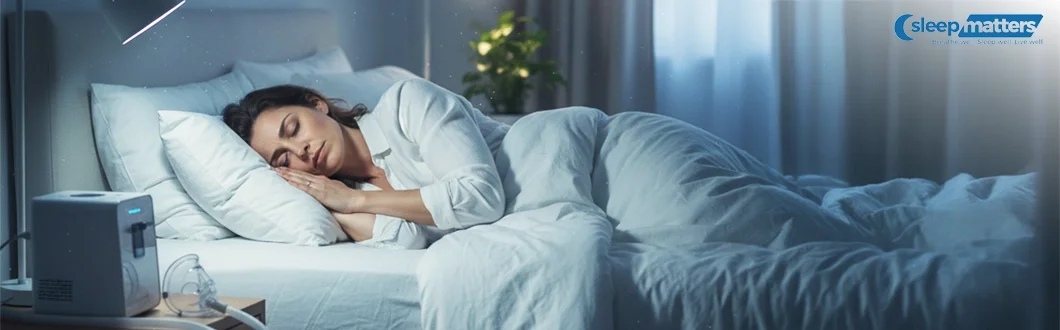
Continuous positive airway pressure (CPAP) works for some, but not everyone can use it. Masks, noise, and pressurised air can feel uncomfortable. Sleep apnoea treatment without CPAP offers a practical and comfortable alternative.
A Simple Device With Big Results
Oral Appliance Therapy uses a Mandibular Advancement Splint, a custom mouthguard worn at night. It holds the lower jaw slightly forward, so the tongue and soft tissues do not block the airway. Steady breathing is maintained, and snoring is reduced throughout the night.
A small design makes the device easy to carry when travelling. Nightly use feels less intrusive than wearing a mask or using a CPAP machine. Side sleepers and people who move a lot benefit because there are no straps to shift.
How Does It Work?
Small jaw movements of just a few millimetres can significantly open the airway. Preventing airway collapse keeps breathing steady and stops oxygen drops that interrupt deep sleep. Smoother breathing helps the brain relax, allowing sleep to become more continuous and improving energy during the day.
Proper assessment ensures the device works effectively. Dentists trained in sleep medicine measure bite position, jaw health, and airway shape. Devices are custom-made for individual mouths rather than using generic guards.
Benefits Worth Noting
Here's what many people find most helpful about this approach. It combines comfort, convenience, and effective results for better sleep.
Quiet and Easy to Pack: The device is small and lightweight, making it simple to carry when travelling. It fits comfortably in a bag without taking up much space. Many people find it easier to keep it handy for nightly use.
No Mask or Air Pressure: Oral appliances do not require masks or forced air. Nightly use feels more natural and less intrusive. Users often sleep more comfortably compared with CPAP machines.
Reduces Snoring and Breathing Pauses: Jaw positioning keeps the airway open throughout the night. Snoring is reduced, and breathing interruptions occur less often. Sleep becomes more consistent and restorative.
Supports Stable Deep Sleep: Steady breathing helps the body stay in deep sleep longer. Fewer interruptions allow for more continuous rest. Daytime energy improves as a result.
Easier Long-Term Use: Comfortable design encourages people to use it every night. Consistent use makes treatment more effective. Many users find it easier to stick with than CPAP.
A New Start For Daytime Energy
Sleep deprivation side effects can affect every part of life, even when you follow healthy routines. A tired brain slows thinking, emotions run high, and the body carries hidden strain that builds over time. Persistent fatigue and irritability may signal that sleep apnoea is the underlying cause.
Relief does not always require a mask or machine. With the proper assessment and a plan tailored to real life, Sleep Matters can help restore steady sleep and bring energy and focus back to your day. Committing to treatment allows mornings to feel truly refreshing again.
Frequently Asked Questions
Sleep problems can leave you feeling tired and low on energy. Explore common questions about sleep, fatigue, and ways to get better rest.
1. What Are The Long-Term Effects Of Lack Of Sleep?
Not getting enough sleep can raise the risk of high blood pressure, heart problems, diabetes, weight gain, and low mood. It can also affect your memory and weaken your immune system. Sleep deprivation side effects start as tiredness but can become serious over time.
2. Can Sleep Apnoea Be Treated Without CPAP?
Yes. Oral Appliance Therapy can help. A device called a Mandibular Advancement Splint keeps the airway open while you sleep.
3. How Long Does It Take To Recover From Being Sleep Deprived?
It depends on how much sleep you missed. A few short nights may need several nights of steady sleep. If sleep apnoea is involved, recovery requires treatment.
4. What Is The Single Most Important Bedtime Habit?
Waking up at the same time every day is key. It sets your body clock and helps you fall asleep more easily.
5. How Can I Tell If My Fatigue Is Caused By Sleep Apnoea?
Look for loud snoring, choking or gasping at night, morning headaches, and daytime sleepiness. A sleep specialist can assess and recommend the appropriate treatment.